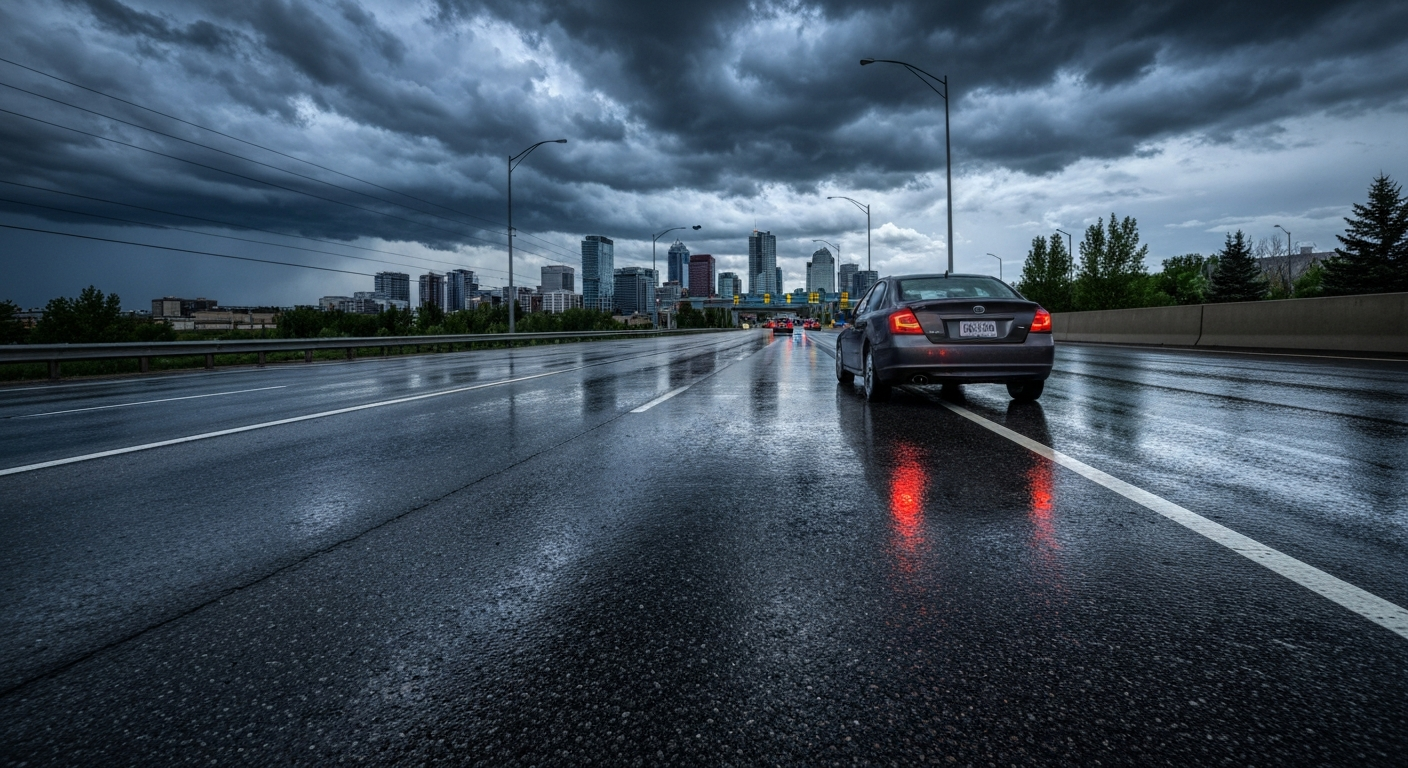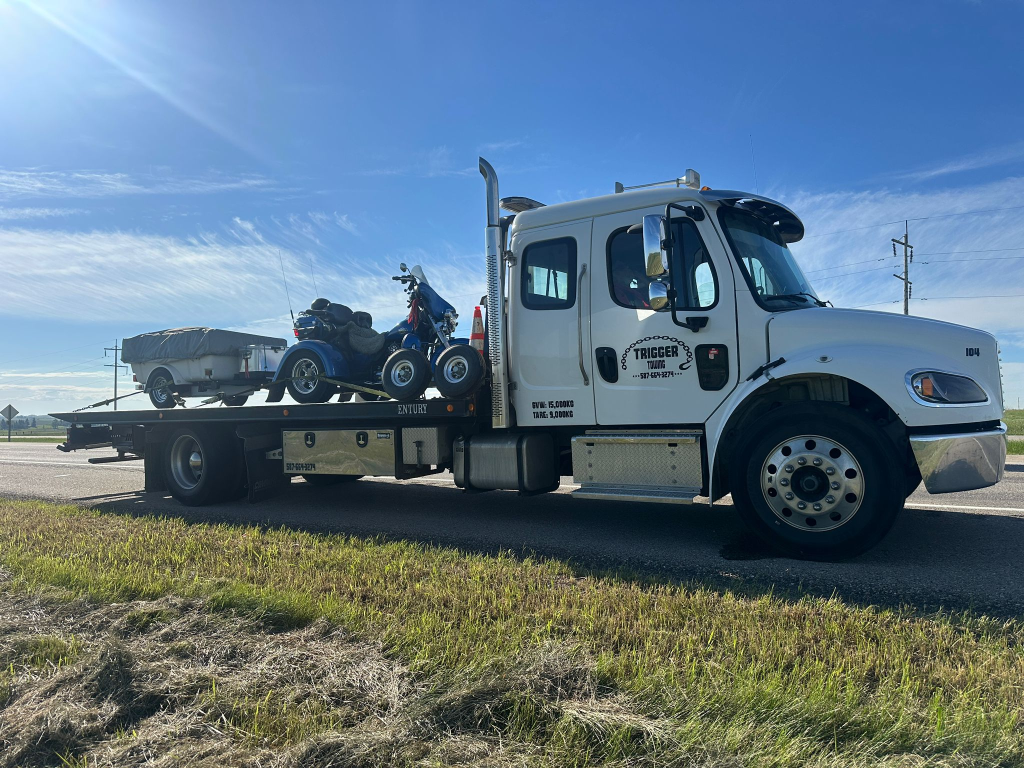
We’ve all been there—you’re cruising along when suddenly your car sputters, slows, and stops. Whether it’s engine trouble, a flat tire, or a battery that gave up the ghost, you’re stuck. This is where emergency roadside towing comes to the rescue.
Let’s talk through what it is, when to call for help, and what to expect once you do.
What Is Emergency Roadside Towing?
Emergency roadside towing is a service that gets your car safely off the road when something goes wrong. It’s available 24/7 and usually includes:
- Towing to a repair shop or your home
- Basic roadside assistance (battery boosts, fuel delivery, tire changes)
- Recovery from off-road or accident situations
It’s designed for unexpected issues that leave you stranded and needing fast help.
Why You Might Need Emergency Roadside Towing
Here are some common scenarios:
- Your car suddenly stops on the highway
- You’re in a minor collision
- Your tire blows and you don’t have a spare
- The engine overheats or won’t start
- You’ve locked your keys in the car
- You ran out of gas miles from the next station
In any of these cases, emergency roadside towing gets you out of danger quickly.
Signs You Should Call for Help Immediately
Don’t risk it. If you notice any of the following, it’s time to call a tow truck:
- Smoke or steam from the engine
- Warning lights flashing (especially the battery or engine light)
- Loud clunking or grinding noises
- Sudden power loss or jerky motion
- Your car won’t shift into gear or accelerate
It’s not worth gambling on. Call for help and stay safe.
What to Expect When You Call a Tow Truck
When you contact an emergency roadside towing service, they’ll ask:
- Your location
- The issue (if known)
- Vehicle type and condition
- Your destination (e.g., home or mechanic)
- Any extra services needed (flat tire change, fuel delivery, etc.)
Once confirmed, a tow truck usually arrives in 30–60 minutes depending on the location and traffic.
Day vs. Night Towing: What’s Different?
Nighttime towing adds extra stress. It’s darker, colder, and sometimes less safe.
That’s why you want a provider that offers:
✅ Fast 24/7 dispatch
✅ GPS-tracked trucks
✅ Well-lit, marked vehicles
✅ Clear communication about ETA
The goal is to keep you comfortable and safe no matter the hour.
How Emergency Roadside Towing Keeps You Safe
Here’s how professional towing helps reduce risk:
- Gets you off the road faster
- Prevents further car damage
- Shields you from traffic while stranded
- Offers visibility in low-light or weather situations
- Connects you to repair help faster
Bonus: Many providers also notify local police if you’re in a dangerous spot.
Flatbed vs. Wheel-Lift: Which Is Better in Emergencies?
It depends on the situation:
| Method | Best For |
| Flatbed | Luxury cars, all-wheel drives, major damage |
| Wheel-lift | Quick city tows, short distances, tight spaces |
Flatbed towing is generally safer, but wheel-lift can be faster in tight or busy areas.
What’s Included in Most Emergency Towing Services?
A reliable emergency roadside towing provider usually offers:
- Vehicle towing (short and long distance)
- Accident recovery and winch-out
- Tire change or inflation
- Battery jump-start
- Lockout service
- Fuel delivery
- Minor mechanical assistance (if on-site fixable)
Check ahead to see what’s standard and what costs extra.
How Much Does Emergency Roadside Towing Cost?
Here’s a general breakdown of average costs:
| Service Type | Cost (CAD/USD) |
| Local emergency tow | $90 – $150 |
| Long-distance towing | $3 – $6 per km/mile |
| Battery boost | $50 – $80 |
| Flat tire replacement | $60 – $90 |
| Lockout service | $60 – $100 |
Tip: If you have roadside assistance coverage (through insurance or AAA), most or all of these may be free.
What to Do While Waiting for the Tow Truck
Safety comes first. Here’s a checklist:
- Pull over to the shoulder or a safe area
- Turn on hazard lights
- Stay inside the car if it’s safe to do so
- If you must exit, move far from traffic
- Gather your insurance and ID
- Call someone to let them know where you are
Avoid DIY fixes unless you’re 100% confident—it’s better to wait for help.
How to Choose the Right Emergency Towing Provider
A good emergency roadside towing company will have:
✅ 24/7 availability
✅ Real reviews on Google or Yelp
✅ Fair pricing with no hidden fees
✅ Insurance and licenses
✅ Friendly, helpful dispatch staff
✅ Experience with your type of vehicle
Ask if they provide real-time tracking or arrival updates—it makes a big difference in stressful situations.
Pro Tip: Save a Towing Number in Your Phone
The worst time to Google “emergency towing near me” is after your car breaks down. Be proactive:
- Save a trusted towing number now
- Keep your roadside assistance info in the glovebox
- Program a contact into your phone named “Tow Truck 🚗”
Final Word: Emergency Roadside Towing That Has Your Back
Breaking down is never fun. But with a reliable emergency roadside towing team, it doesn’t have to be scary or stressful.
From dead batteries to full breakdowns, knowing you’ve got backup means everything.